Learning to code is one of the most valuable skills you can develop in today’s digital world. From building websites and mobile apps to creating games and automating tasks, coding is the foundation of almost every technology we use. Many beginners feel overwhelmed at first, but a step-by-step approach makes learning programming simple, practical, and enjoyable.
This step-by-step coding guide is designed for beginners who want to start their coding journey confidently. You will learn how to choose the right programming language, understand the fundamentals, practice efficiently, and build small projects that turn your ideas into real digital solutions. By following this guide, you can gradually develop coding skills, improve problem-solving, and open doors to exciting career and freelancing opportunities. step by step coding guide
Why a Step-by-Step Approach Works
Avoids Overwhelm for Beginners
Coding can seem complicated when you try to learn everything at once. There are multiple languages, tools, and concepts to understand, which can easily confuse beginners. A step-by-step approach breaks learning into small, manageable pieces. By focusing on one topic at a time, you can fully understand the basics before moving to more advanced concepts.
Builds Confidence Gradually
Starting small and mastering each step before moving on helps you gain confidence. Completing simple exercises, understanding fundamentals, and building mini projects gives a sense of achievement. This confidence motivates beginners to continue learning and take on more challenging coding tasks without feeling discouraged.
Ensures Strong Foundation
Learning coding step by step ensures that you have a solid foundation. Understanding core concepts like variables, loops, and functions first makes advanced topics such as object-oriented programming, APIs, or databases easier to grasp. A strong foundation prevents gaps in knowledge and makes learning faster in the long run.
Encourages Consistent Practice
A step-by-step method encourages daily practice. Beginners can set small goals like learning one concept, completing one coding exercise, or building a mini project each day. Consistency is key to mastering coding, and breaking learning into steps makes regular practice achievable and sustainable.
Makes Learning Practical
Step-by-step learning allows beginners to apply what they’ve learned immediately. By combining theory with practical exercises and small projects, you can see how coding works in real scenarios. This hands-on approach reinforces understanding and makes learning more engaging and effective.
In simple words, a step-by-step approach works because it reduces overwhelm, builds confidence, strengthens foundations, promotes consistent practice, and makes learning practical. Beginners can gradually move from small exercises to real projects with clarity and success.
you may also like to read these posts;
Simple Future Tech Guide: Trends Shaping Tomorrow
Upcoming Tech Innovations List Every Tech Lover Should See
Latest Future Tech Ideas in AI, IoT, and Robotics
Future Technology Insights: Trends Shaping Our World
Internet of Things and Smart Devices Explained Simply
Step 1: Choose a Programming Language
Why Choosing One Language Matters
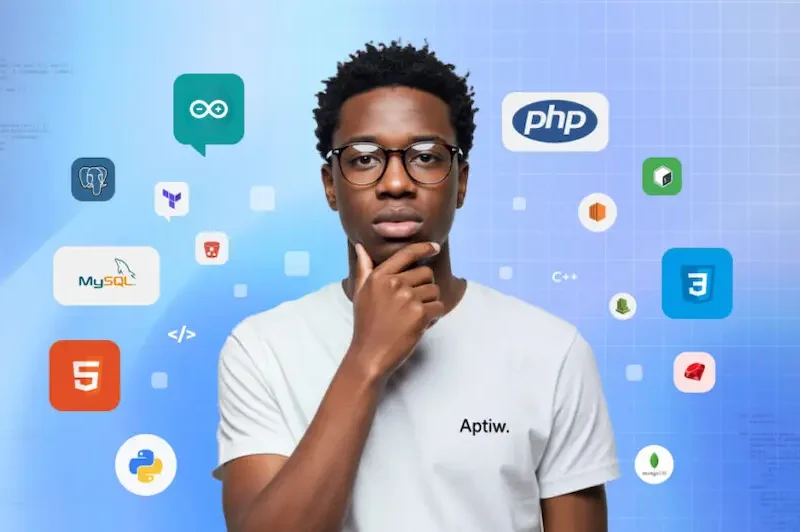
When starting out, beginners often feel tempted to learn multiple programming languages at once. This can be overwhelming and slow your progress. Focusing on one language allows you to fully understand its syntax, concepts, and logic. Mastering a single language first builds a strong foundation and makes it much easier to learn other languages in the future.
Beginner-Friendly Programming Languages
1. Python
Python is one of the easiest languages for beginners. Its syntax is clear and readable, which makes writing code less stressful. Python is versatile—it is used in web development, data science, artificial intelligence, automation, and even game development. Python also has a massive community, meaning you can find tutorials, forums, and free resources easily.
2. JavaScript
JavaScript is essential for creating interactive websites and web applications. It works in all browsers and allows you to develop both front-end (what users see) and back-end (server-side) applications. Learning JavaScript opens opportunities in web development, game development, and even mobile apps.
3. HTML & CSS
HTML structures web pages, while CSS styles them and controls layout and appearance. They are not full programming languages but are crucial for anyone starting web development. Learning HTML and CSS first gives beginners a visual sense of how coding works while creating websites that you can see and interact with. step by step coding guide
4. Optional Languages to Consider Later
- Java: Widely used for mobile apps, games, and large-scale software
- C#: Great for game development and desktop applications
- Ruby: Known for simplicity and web development with Ruby on Rails step by step coding guide
How to Pick the Right Language for You
- Your Goals: Choose based on your desired career or project. For web development, start with HTML, CSS, and JavaScript. For AI, data science, or automation, start with Python. step by step coding guide
- Ease of Learning: Python is beginner-friendly, JavaScript is moderately easy, and HTML/CSS is visually rewarding for new learners.
- Community and Resources: A strong community helps when you get stuck. Languages with tutorials, forums, and online courses are easier to learn. step by step coding guide
Tips for Absolute Beginners
- Focus on one language at a time; don’t rush into learning multiple languages.
- Start with small programs and simple exercises to understand the logic.
- Don’t worry about memorizing everything—practice is more important than theory in the beginning.
- Use free resources like YouTube tutorials, freeCodeCamp, Codecademy, and W3Schools to get started.
Key Takeaway
Choosing the right programming language at the start can save time, reduce confusion, and make learning coding enjoyable. Pick a language that matches your goals, start small, practice consistently, and gradually expand your knowledge to other languages once you are comfortable.
step 2: Set Up Your Coding Environment
Why Setting Up Your Environment Matters
Before you start coding, you need the right tools to write, test, and run your programs. A well-prepared coding environment makes learning smoother, reduces errors, and allows you to focus on practicing and building projects instead of struggling with setup step by step coding guide issues.
Install a Code Editor
A code editor is where you write and edit your code. Some beginner-friendly options include:
- VS Code: Free, versatile, and widely used by beginners and professionals alike. It supports many languages and extensions.
- Sublime Text: Lightweight, fast, and simple to use for beginners. step by step coding guide
- Atom: Free and customizable with built-in packages to support coding in different languages. step by step coding guide
Tip: Start with VS Code if you are unsure—it’s beginner-friendly and highly popular in the coding community. step by step coding guide
Use Online Coding Platforms
If you don’t want to install software right away, online platforms allow you to code directly in your browser:
- Replit: Supports many programming languages and lets you run code instantly.
- CodePen: Great for practicing HTML, CSS, and JavaScript.
- JSFiddle: Useful for testing small web-based coding experiments.
Online platforms are perfect for beginners because they are easy to set up, require no installation, and provide immediate feedback.
Install Necessary Tools and Extensions
Depending on the language you choose, you may need additional tools:
- Python: Install Python from the official website and add it to your system path. You can also install Jupyter Notebook for interactive coding.
- JavaScript: All you need is a web browser, but installing Node.js allows you to run JavaScript outside the browser.
- HTML/CSS: A browser and a text editor are enough to start. step by step coding guide
Tip: Many code editors like VS Code have built-in extensions that make coding easier, such as syntax highlighting, auto-complete, and debugging tools. step by step coding guide
Organize Your Workspace
Keep your projects organized in folders with clear names. For example:
CalculatorProjectToDoAppPortfolioWebsite
A tidy workspace helps you manage your code, prevents confusion, and makes it easier to review or update projects later. step by step coding guide
Test Your Setup
Before starting serious coding, write a simple “Hello World” program to check if your setup is working:
- Python:
print("Hello World") - JavaScript (Browser Console):
console.log("Hello World"); - HTML: Create a basic HTML page with a heading
<h1>Hello World</h1>
Testing ensures that everything is installed correctly and ready for your coding practice.
Key Takeaway
Setting up your coding environment is the foundation of a smooth learning experience. Whether you choose a code editor or an online platform, make sure your tools are ready, organized, and tested. A good setup saves time, reduces frustration, and allows you to focus on learning and building projects. step by step coding guide
Step 3: Learn the Basics

Why Learning the Basics Is Important
Before you can build apps, websites, or games, you need a solid understanding of programming fundamentals. The basics are like building blocks—they help you understand how code works and make it easier to learn advanced topics later. Mastering the basics ensures that your code is efficient, organized, and less prone to errors. step by step coding guide
Key Concepts Beginners Should Focus On
1. Variables and Data Types
Variables are like storage boxes that hold information, such as numbers, text, or true/false values. Data types define what kind of information a variable can store. For example:
- Numbers:
age = 25 - Text/String:
name = "John" - Boolean (True/False):
is_student = True
Variables and data types allow your programs to store and manipulate information effectively.
2. Operators
Operators perform actions on data, such as calculations or comparisons.
- Arithmetic:
+,-,*,/(for adding, subtracting, multiplying, dividing) step by step coding guide - Comparison:
==,!=,>,<(to compare values) - Logical:
and,or,not(to combine conditions)
Operators help your programs make decisions and calculate results. step by step coding guide
3. Conditional Statements (if/else)
Conditional statements let your program make decisions based on certain conditions. For example:
Conditional logic is essential for creating interactive programs that respond to user input. step by step coding guide
4. Loops
Loops allow a program to repeat actions multiple times without rewriting code. There are different types of loops, but the most common are for loops and while loops. Example:
Loops make coding efficient and are widely used in real-world programs. step by step coding guide
5. Functions
Functions are reusable blocks of code that perform a specific task. They make your code organized and easier to read. Example:
Functions are essential for building larger programs and projects. step by step coding guide
Practice Makes Perfect
Understanding these concepts is not enough—you need to practice them with small exercises. Start with simple programs like:
- A calculator that adds, subtracts, multiplies, and divides numbers
- A program that checks if a number is even or odd
- A loop that prints a list of your favorite fruits step by step coding guide
Key Takeaway
Mastering the basics—variables, data types, operators, loops, conditionals, and functions—is crucial for every beginner. These building blocks form the foundation for everything you’ll create in coding. Practice each concept with simple examples and mini-projects to build confidence and understanding. step by step coding guide
Is coding difficult for beginners?
No, coding is not as difficult as it seems. With a step-by-step approach, consistent practice, and beginner-friendly languages like Python or JavaScript, anyone can learn to code successfully.
Which programming language should I start with?
For beginners, Python is highly recommended due to its simple syntax and versatility. If you want to focus on web development, start with HTML, CSS, and JavaScript. Choose a language based on your goals and stick with it at first.
Do I need a computer science degree to learn coding?
No, you don’t need a degree. Many successful programmers are self-taught using online tutorials, courses, and practice projects. Dedication, practice, and problem-solving skills matter more than formal education.
Conclusion
Learning to code may seem challenging at first, but following a step-by-step approach makes it simple and manageable. By starting with the right programming language, setting up your coding environment, mastering the basics, and practicing consistently, beginners can build confidence and develop real coding skills. Building small projects, experimenting with code, and joining coding communities further enhances your learning and makes the process enjoyable.
Remember, every expert programmer was once a beginner. Stay consistent, practice daily, embrace mistakes as learning opportunities, and gradually explore advanced concepts. With dedication and persistence, you can create your own apps, websites, and digital solutions, opening doors to exciting careers and opportunities in the world of technology.